
The Verdict is In: Is ‘Kissa Court Kachahari Ka’ the Gritty Legal Drama We’ve Been Waiting For?
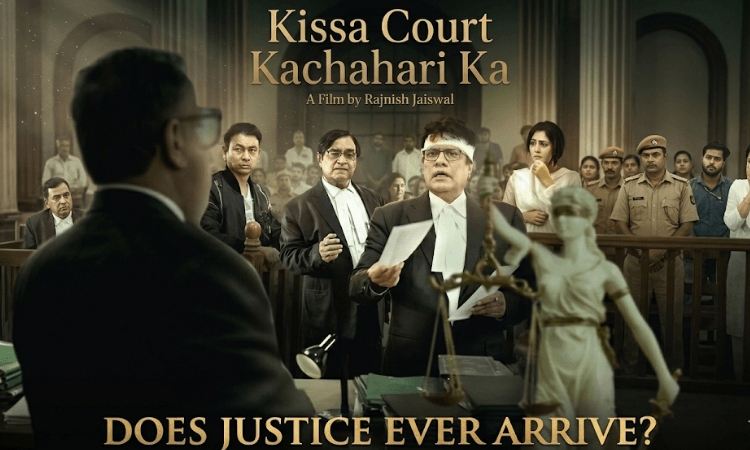
Everyone loves a good courtroom battle, but the buzz around Rajnish Jaiswal’s latest outing, Kissa Court Kachahari Ka, suggests something different from the usual cinematic theatrics. Instead of “Order! Order!” and dramatic monologues, this film is leaning into the quiet, often frustrating reality of the Indian legal system.
The Hook: A Quiet Storm in the Courtroom
While big-budget blockbusters are fighting for screens, this small-scale powerhouse is quietly making waves for its raw honesty. If you’ve ever wondered what actually happens behind those dusty wooden benches in a local district court, this movie might just be the reality check you didn’t know you needed.
The Plot Breakdown: Justice on a Slow Burn
Kissa Court Kachahari Ka doesn’t rely on high-stakes murder mysteries or international conspiracies. Instead, it focuses on the grueling, everyday grind of the legal process.
- The story follows a common man’s struggle to navigate the labyrinth of Indian law.
- It highlights the “tareekh-pe-tareekh” (date after date) culture that leaves families hanging in limbo for decades.
- The narrative weaves through the lives of the lawyers, the accused, and the system that sits somewhere in between.
Performances & Direction: The Powerhouse Trio
Director Rajnish Jaiswal deserves credit for keeping the camera steady and the tone grounded. He avoids the temptation to turn this into an action flick, focusing instead on the human cost of legal delays.
Rajesh Sharma is, as always, a masterclass in subtlety. He plays his role with a weary dignity that feels incredibly relatable. Brijendra Kala brings his signature brand of understated brilliance; he can say more with a frustrated sigh than most actors can with a three-page script. Rajesh Sharma rounds out the cast with a performance that provides the emotional heartbeat of the film, reminding us that every “case number” is actually a human life.
Technical Excellence: Keeping it Real
The film’s technical department clearly understood the assignment: don’t distract from the story.
- Cinematography: The visuals capture the claustrophobia of a crowded courtroom. You can almost smell the old files and the heat radiating off the walls.
- BGM: The background score is minimal. It doesn’t tell you how to feel; it just sits in the back, adding a layer of tension to the silence.
- VFX: There aren’t any explosions here, and the film is better for it. The realism is the only special effect required.
The Verdict
Kissa Court Kachahari Ka is a refreshing departure from the “filmy” lawyer tropes. It’s a somber, well-acted, and thought-provoking piece of cinema that respects the audience’s intelligence. While the slow pacing might test the patience of those used to high-octane thrillers, the payoff is a profound sense of empathy for those caught in the gears of justice.
Final Rating: 3.5/5 Stars