The “Wish App” Horror: Why This K-Drama Is Every Teen’s Digital Nightmare
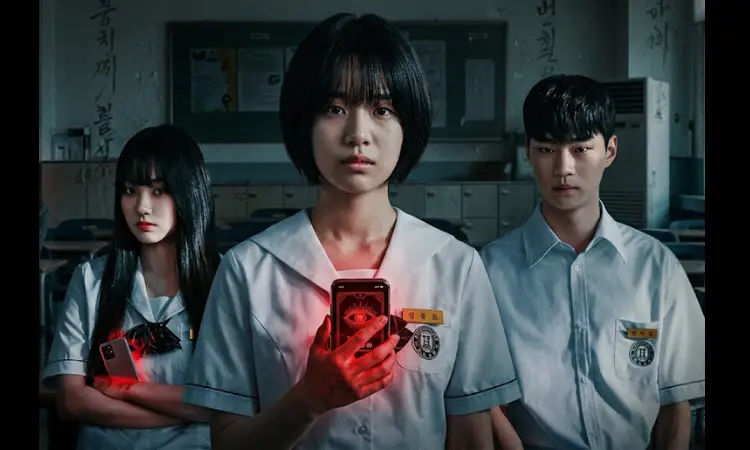
In an era where our lives are lived through five-inch glass screens, horror has found a new home. Gone are the days of haunted houses and dusty VHS tapes; the new monster lives in your app drawer. “If Wishes Could Kill” (also known as Tarot) is the latest K-drama sensation to hit Netflix, and it is a neon-soaked, anxiety-driven ride that turns the “Gen Z experience” into a literal battle for survival.
Don’t Just Take Our Word for It – See the Action for Yourself! Watch the If Wishes Could Kill Official Trailer.
As a critic who has seen everything from slow-burn psychological thrillers to high-octane slashers, I found this series to be a refreshing, albeit terrifying, mirror held up to our modern obsessions.
At A Glance: The Quick Summary
| Feature | Details |
|---|---|
| Title | If Wishes Could Kill (Tarot / Girigo) |
| Genre | Supernatural Horror / Psychological Thriller |
| Platform | Netflix |
| Key Cast | Kang Mi-na, Baek Sun-ho |
| Main Theme | The intersection of Shamanism and Modern Tech |
| Critic Rating | 3.8 / 5 Stars |
- The Digital Curse: How the Girigo App works.
- Blood in the Code: The shamanic lore behind the spirit.
- Performances: Why the cast makes it feel real.
- The Good & The Bad: A breakdown of the hits and misses.
- Final Verdict: Should you hit “Install”?
The Girigo Glitch: A Wish with a Kill Switch
The story revolves around Girigo, a mysterious mobile app that promises to grant any wish in exchange for your birth details. It sounds like a dream for a group of stressed-out high schoolers, but the “Terms and Conditions” are written in blood. Once your wish is granted, a 24-hour countdown appears. To survive, you must “pass the curse” to someone else.
What I love about this premise is how it weaponizes the “Chain Letter” trope for the TikTok generation. It’s not just about a ghost; it’s about the social horror of having to choose between your life and your best friend’s. The tension is palpable, making every notification sound like a ticking time bomb.
Where Spirits Meet Silicon Valley
The show goes beyond a “Siri gone rogue” trope. It dives deep into Korean Shamanism, revealing that the vengeful spirit of Si Won fuels the app. After her trusted allies betrayed her, the tech prodigy used her ancestral shamanic powers to “digitize” her curse. The show finds its soul in this blend of ancient rituals and modern UI. It proves that no matter how far technology advances, emotions like envy and spite remain tethered to our ancestral instincts.
The Pros and Cons: A Honest Breakdown
The Hits (Pros)
- Unique Concept: The fusion of shamanism and mobile tech feels fresh and culturally grounded.
- Visual Flair: The use of neon lighting and claustrophobic framing makes the urban setting feel haunted.
- Relatable Stakes: It taps into real-world fears about privacy, social pressure, and digital isolation.
The Misses (Cons)
- Pacing Issues: Some episodes feel a bit rushed, leaving you wanting more depth on certain side characters.
- Familiar Tropes: While the “app” twist is cool, the “scary long-haired girl” ghost trope makes a few predictable appearances.
My Personal Take
The reason this series sticks with you isn’t just the jump scares – it’s the moral decay. Watching characters like Se Ah and Geon Woo crumble under the pressure of the countdown is heartbreaking. As a viewer, you inevitably ask yourself: “If I had two hours left on my clock, who would I send the app to?” The question feels uncomfortable, raw, and deeply human.
Critic’s Disclaimer
Note: This review is based on the initial streaming release and critical screenings. Viewer discretion is advised as the series contains scenes of intense psychological distress and supernatural violence. This content is for informational and entertainment purposes only.
Explore More Details
Want to see the curse for yourself or check out what others are saying? Use these links for the full experience:
- Cast & Crew Insights: Dive into the production details on the IMDb News Page.
- Deep Dive Analysis: Read how this show redefines the Gen Z Nightmare at Hindustan Times.